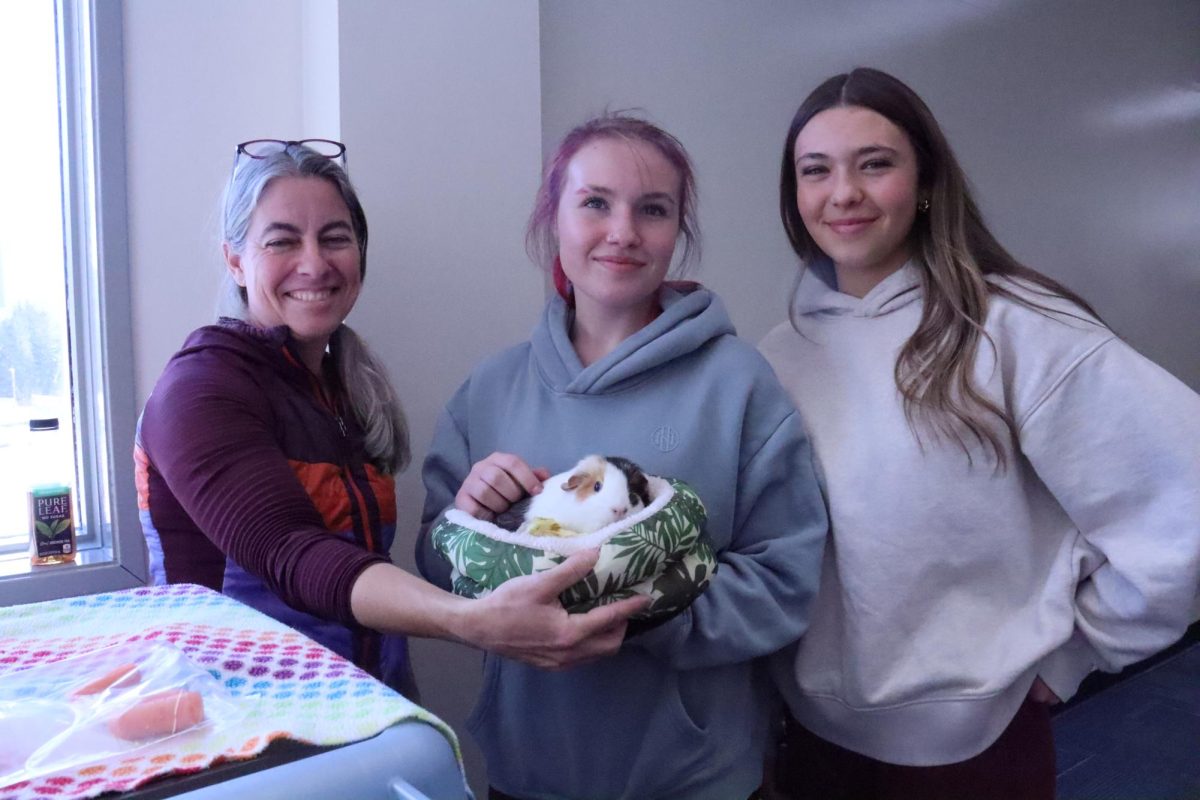
This year, Seward High School had the opportunity to host a statewide Alaska AHEC (Area Health Education Center) Health Careers Camp, brought to the community through Chugach Miut. Although this program is offered in communities all across Alaska, this session “landed in Seward” thanks to a partnership designed to give local students hands-on exposure to the many career pathways that support Alaska’s healthcare system.
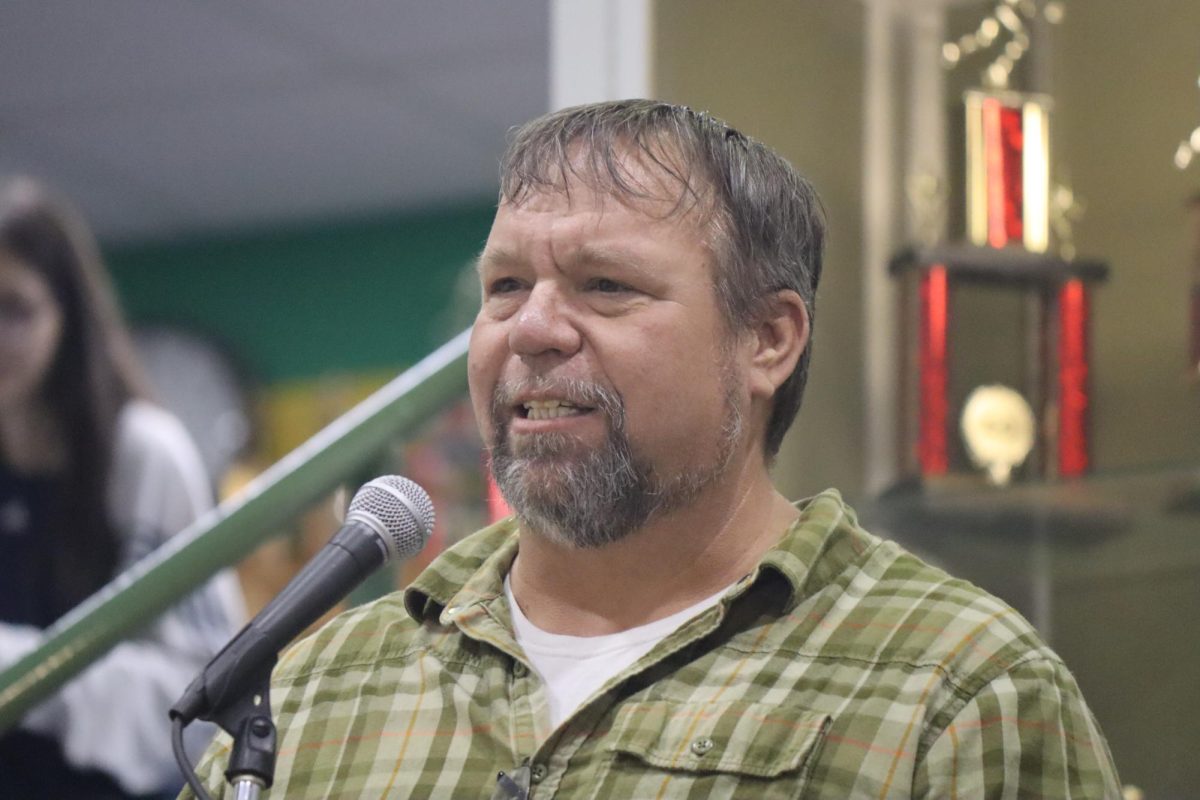
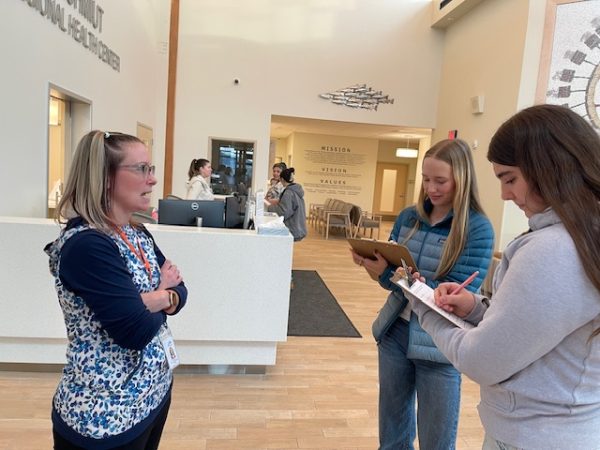 The camp, directed by Tammy Choromanski, Director of the Southcentral AHEC Program Office, aims to spark interest, build skills, and provide clear pathways into health careers for Alaskan youth. Choromanski explained that the AHEC model focuses on “engage, train, and retain,” ensuring that Alaska’s future healthcare workforce is inspired, prepared, and encouraged to stay and serve within the state’s communities.
When asked what inspired her to lead this program, Choromanski emphasized the importance of exposing students to the wide range of roles that make healthcare possible. “Students don’t realize all the different aspects and avenues in healthcare. There are so many opportunities to advance, even within local clinics, through both experience and education,” she shared. She added that the statewide camp program is based at Alaska Pacific University (APU), where the program office acts as a central hub. From there, individual camps are implemented across Alaska in partnership with regional organizations like Chugach Miut.
 Choromanski’s main goal is: “We want campers to understand the breadth of Alaska’s health workforce and feel empowered to see themselves in these roles.” By the end of the week, students leave with practical skills, context for future careers, and a deeper understanding of how they can contribute to healthcare in their own communities.
One of the most unique aspects of the camp is the range of careers explored. Choromanski stressed that the program touches every job that supports health systems, including physicians and nurses, behavioral health and social services, culinary and nutrition, front desk and administrative roles, diagnostics and lab services, environmental services and janitorial, human resources, emergency response, and many more.
This was appreciated by SHS senior Kyrah Griffin as she “learned a lot about the different health careers [she] could enter,” and since she “would be interested in pursuing a career in either psychology or nursing,” this was beneficial. “Every single position plays a role in keeping our health programs running,” Choromandski noted.
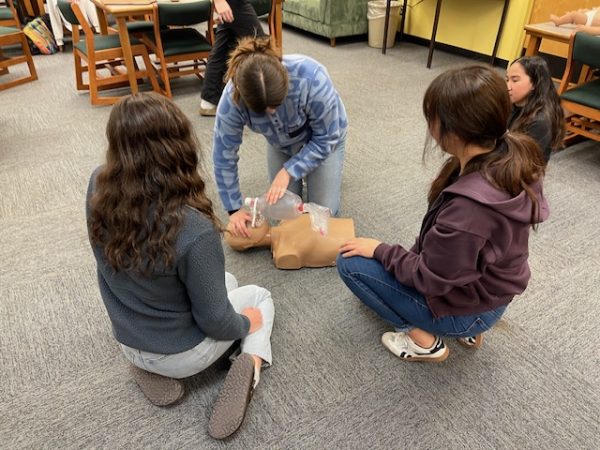
Though the camp follows a structured curriculum, no two days are the same. Students participate in a mix of tours, certifications, hands-on labs, and discussions. Some key components include nationally recognized certifications (like CPR or First Aid), tours of local clinics or health organizations, hands-on activities such as heart dissections and vital signs training, and a final project where each student researches a healthcare career of their choice. “It depends on what’s available in each community,” Choromanski explained. “We tailor the program to the local resources and opportunities.”
The camp emphasizes interactive learning. Students gained experience in CPR certification, First Aid, vital signs training, dissection and anatomy activities, and simulations that reflect real healthcare environments. These hands-on sessions help students see themselves in future healthcare roles while building tangible, resume-ready skills.
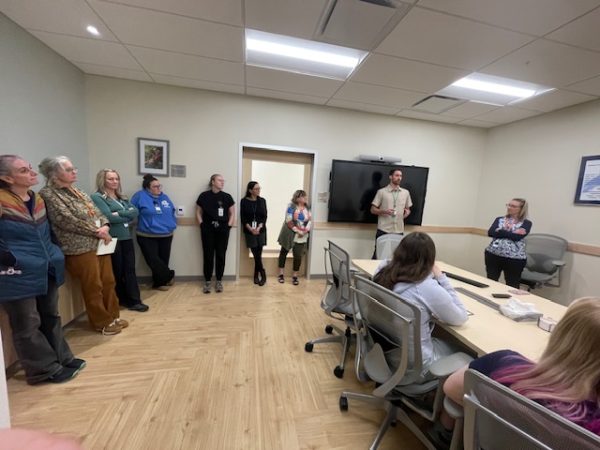
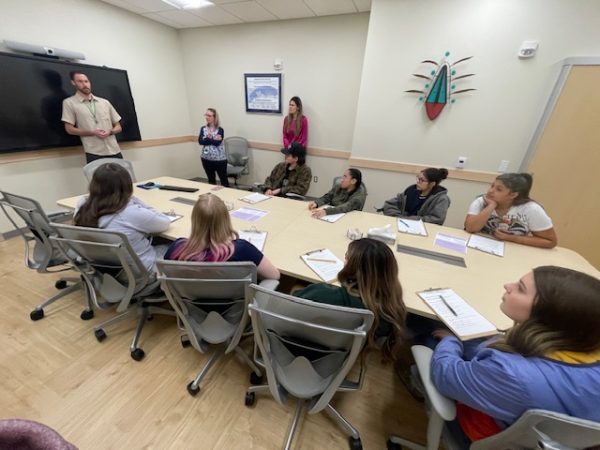 During the Seward session, students met with a panel of professionals at Chugach Miut, representing a wide variety of backgrounds and career paths. “The panel included people from all different walks of life,” said Choromanski. “Students got to hear directly from the people who serve their communities.” These interactions help campers understand how healthcare teams work and discover role models they can relate to.
Choromanski believes the camp’s greatest value lies in its adaptability and its focus on community-specific opportunities: “We tailor each camp to the communities we’re in. Our goal is to show students that there are real career paths where they can grow and stay in their home communities.” The camp not only introduces students to healthcare careers but also highlights the need for local providers in rural Alaska.
Running a statewide camp program across vastly different communities comes with its challenges. “Many of our communities are rural and small,” Choromanski explained. “Carving out time for local professionals to teach can be difficult. We’ve learned to be flexible to student needs and to what’s happening in their lives, while still maintaining the program’s standards.” Ensuring each camp offers the required curriculum, despite local limitations, requires creativity and adaptability.
Students complete formal evaluations that help the program measure outcomes and identify areas for improvement. The camp is structured with official standards, but Choromanski noted that they continually adjust to make learning more hands-on, engaging, and relevant.
 Before leaving, each student receives additional information and resources to help them stay connected. “We give out all the information, and they’re welcome to contact us directly,” Choromanski said. “We’re close by and able to recommend future opportunities.” This follow-up support helps students continue learning, exploring, and preparing for careers in Alaska’s health workforce.
Another SHS senior, Evelyn Zinis, noted that she would highly recommend other students to take this class if it were to be offered again in the future because “it was a really cool experience and helped [her] learn a lot of valuable information.”
Thanks to the collaboration between Alaska AHEC, Chugach Miut, and Seward High School, local students had a rare chance to build skills, make connections, and discover meaningful career opportunities right in their own community.