Fashion throughout history has been a reflection or a reaction to its own highly distinct moment in society. That moment can fade with time when that emotion becomes irrelevant, or there will be a “regression” to that mindset.
The Name Controversy
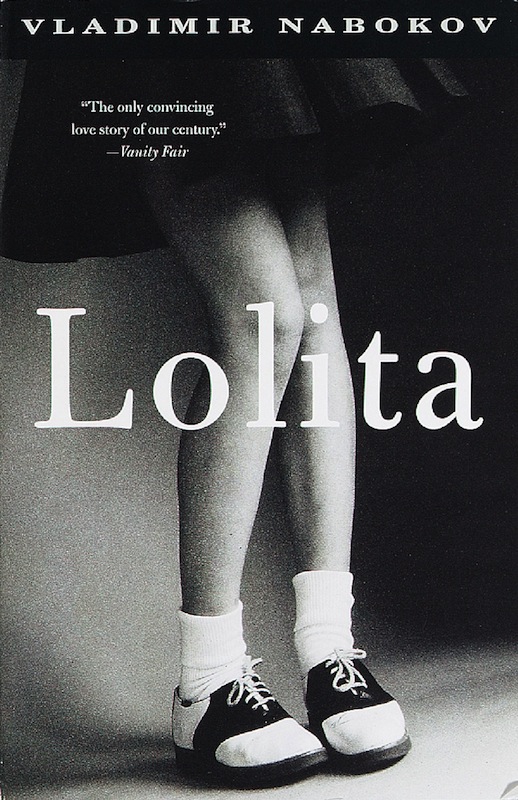
In Vladimir Nabokov’s 1955 novel Lolita. When a thirty-three-year-old man lusts after a twelve-year-old girl named Doloras, shortened in Spanish to Lolita, who is described as a dark, meek girl. This article is not about the book, so I will just give you the moral of that tale, in the way it was described to me: “It’s a warning of how a predatory and obsessive man and how his lust can erase the humanity of the object of his attraction, seeing her as ‘demonic in nature, ‘ something destinctly unhuman.” this in the book leads to dolorises torture, and death during childbirth. (The book is a work of fiction, but is based on a real case, and the author references it outright.)
The world in the Western world is inherently sexual, and always describes a young girl. This word is not one that “lolita girls” (girls and guys who dress in the lolita style) chose; it was mostly forced on the style that previously didn’t have a distinct name, by magazines covering the emerging trend. Japan had already used the word to describe explicit content in media, so this could have been a way to not so subtly shame these kids with a non tradition approch to fashion. or it could be a belief that the word is similar to shoujo or 少女, which does mean “young girl.” It could be 100% coincidence; some words sound the same while having different connotations; however, it is likely the name was born of hatred and mockery.
History/Reason for Lolita
Japan’s women in the late 1970s faced a problem: society was changing, and what people expected of them wasn’t possible. There was a big push for women to adapt to modern life while also keeping their traditional values, but a world where those values worked just didn’t exist anymore, as in the late 2000s recession, when Americans. Fashion had to pivot from the “Juicy Couture” glitzy and glam excess style to a kind of ‘street wear’ ironic style due to most people falling into hardship. Japan had the same thing happen, where the percentage of poverty skyrocketed, and the young people of the time were blamed for this, especially the young women of the day. The act of wearing uniquely feminine doll-like clothing was seen as a way of escapism from older teens turning into adults during this troubled time. A kind of refusal to let go of what made them happy as children, which they may no longer be able to participate in due to their traditional society as young women.
It was also a rebellion in a world that sexualises women for anything they do or wear, a subculture of fashion whose goal is not to make you desirable to men, is refreshing. It actually encourages modesty, discouraging deep necklines or short skirts without bloomers or petticoats. It also didn’t encourage women to take traditionally feminine roles; though there is a strong baking and tea culture, it wasn’t out of a desire to be a wife; it was something she could do only for herself, without male validation. Some rebuke this because “why would she put so much effort?” and “why wouldn’t guys like a cute girl?” One girls are allowed to want to feel pretty without wanting the attention of men. Two, though, as a woman, you are always gonna fall into some random guy’s niche for what he defines as the ‘perfect woman,’ so there are people who do see the fashion as attractive. In Japan, however, the general consensus from the men of the public went from surprisingly delighted to violently hostile, with some lolita girls’ hair ribbons being ripped out of their heads in public, and also just general harassment. “I’ve been verbally and physically attacked, had objects and food thrown at my head. Ive been laughed at by people of all ages.- Jade Morley

What Defines Lolita Fashion:
Lolita fashion is historically Japanese; it’s not a closed practice, but if you want to dress that way, you should know it’s pretty integral to the style. Femininity is also important, often expressed through the shape of the skirt, extravagance with many layers, and accessories such as bonnets, hairpieces, ribbons, and gloves.
Lolita fashion is also an umbrella term that covers several smaller fashion movements, the main ones being: classic, sweet, ouji (or, jokingly, brolitas), punk, goth, and many more.
description, subcultures


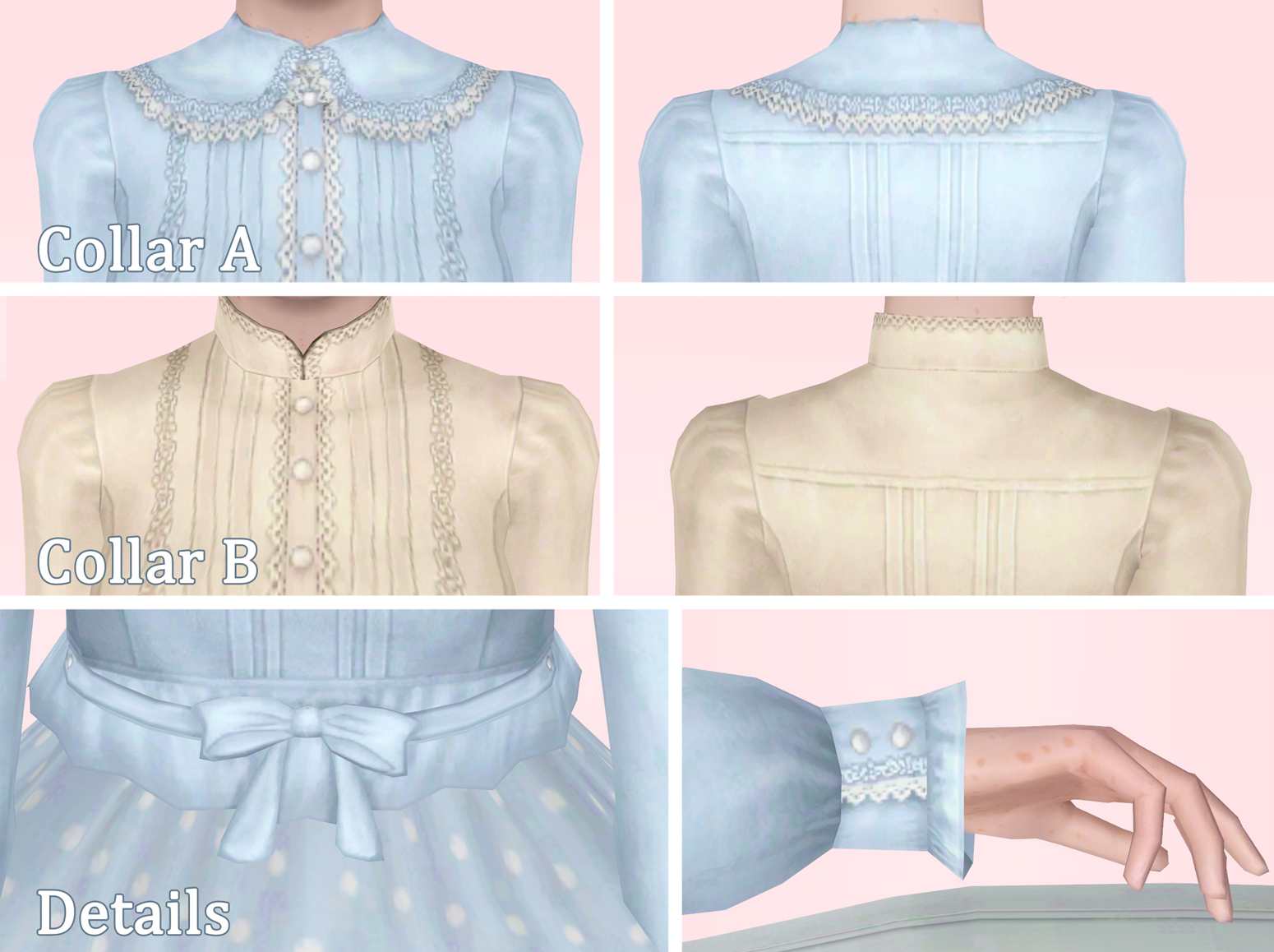
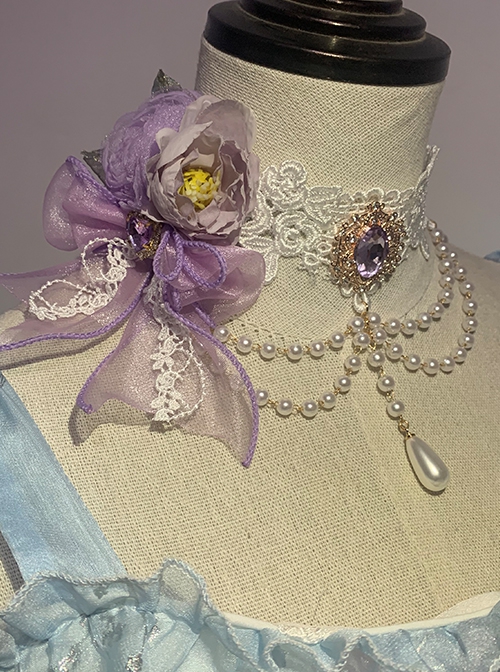
Classic style refers to a Western Southern doll or Rococo-style dress. This is how the movement started: longer (mid-calf) lined skirts in a classic bell-silhouette, sometimes with multiple petticoats to achieve the shape. This style is very detail-oriented, with heirloom pieces like Pintucks, ruffles, and pleats. High collars imitating the Victorian style are common, as are square necklines set right under the collarbone. Common subjects for the classic style are floral patterns and hairpieces/full-sized hats. ornate old-fashioned jewelry with jewel centerpieces and pearls. They are some of the most modest of the bunch, with their aforementioned long skirts and big hats, and the addition of gloves and stockings.
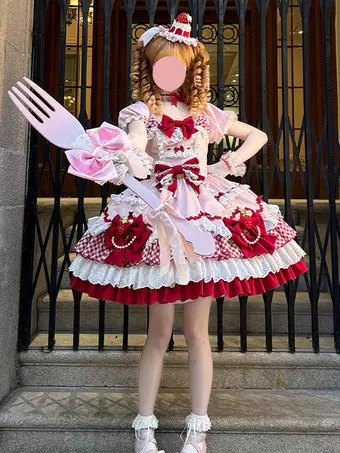
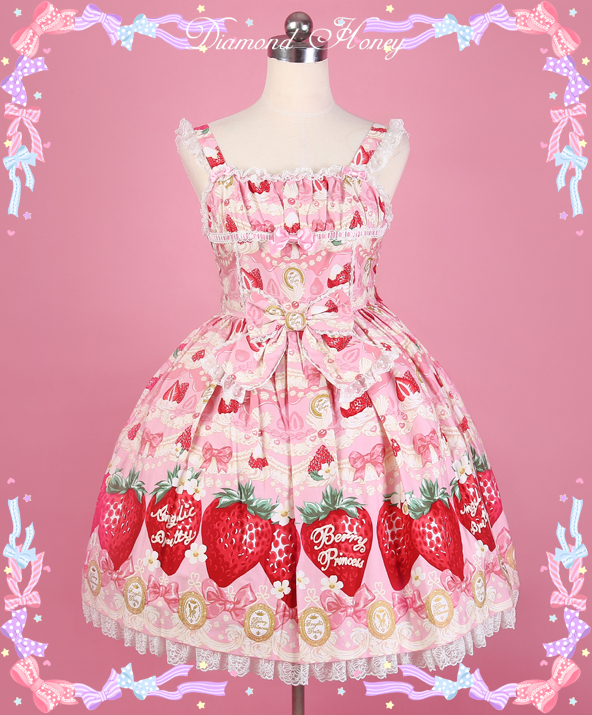


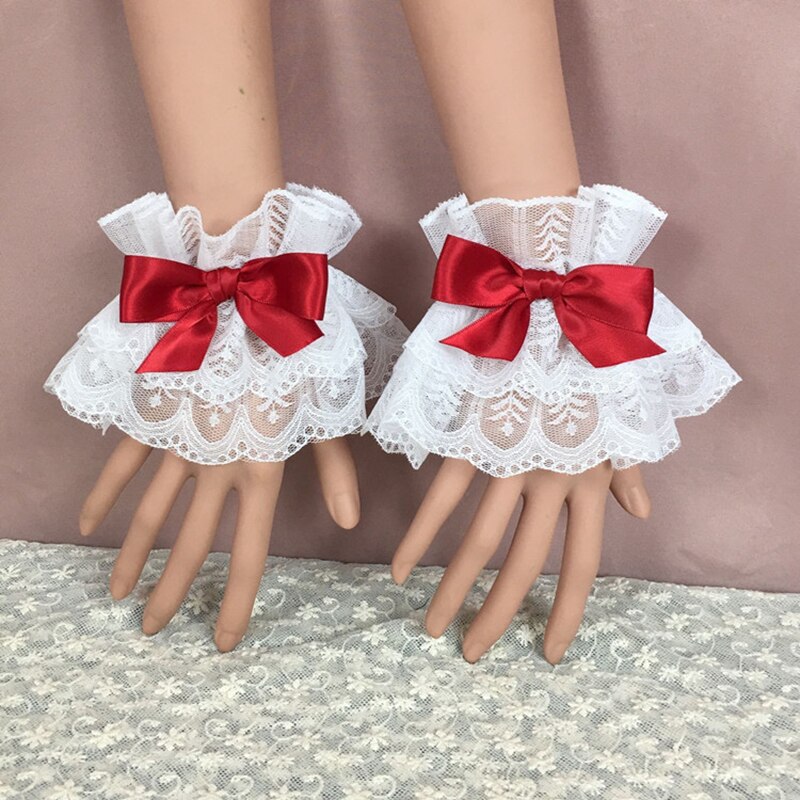
Sweet style, a cuter, childlike form of lolita, is defined by its shorter knee-length skirts with a cupcake shape (wider and puffier than a bell skirt). Like classic style, they draw inspiration from Victorian clothing, but they also incorporate childlike elements, such as pastels and intricate patterns depicting foods, toys, or flowers. They often have pigtails or colorfully dyed, curled hair, and wear lace and bows in intricate styles to give a softer look. Light or colorful socks are also common, often worn with Mary Janes. They also have pieces similar to another fashion group, Decora: cute, fluffy purses, a lot more jewelry than the classic style, and detachable cuffs are more also popular.
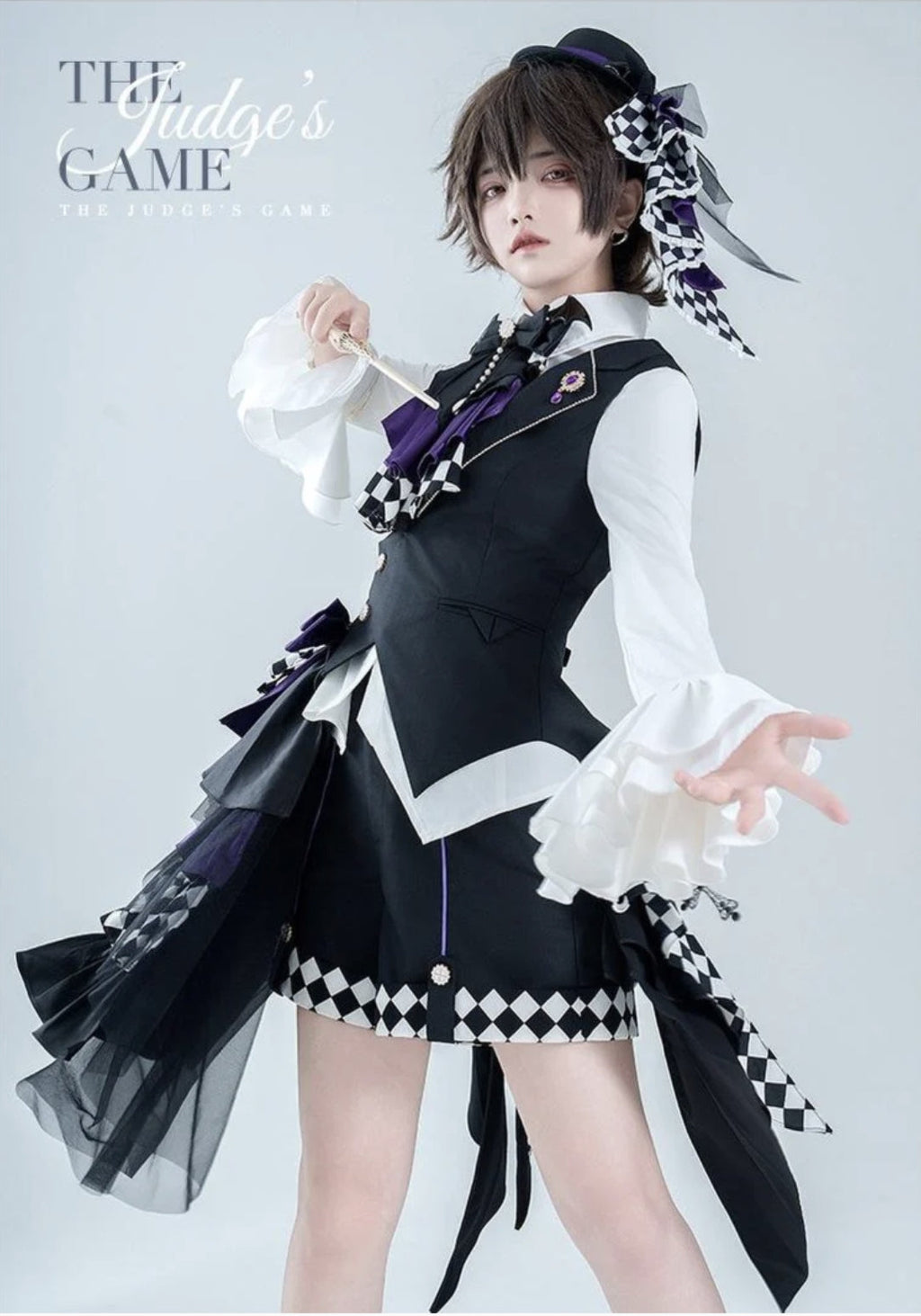
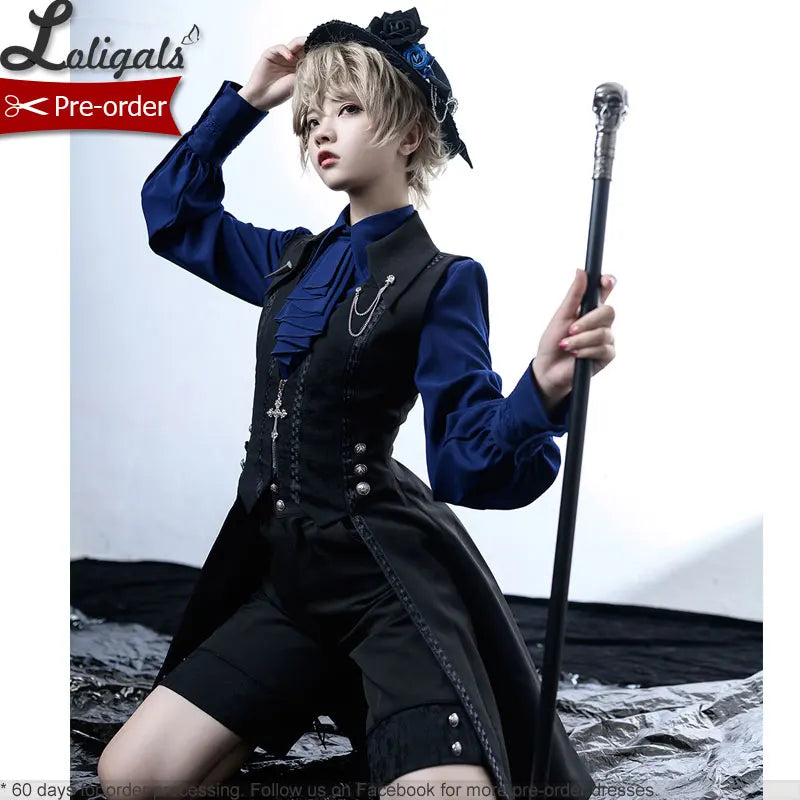
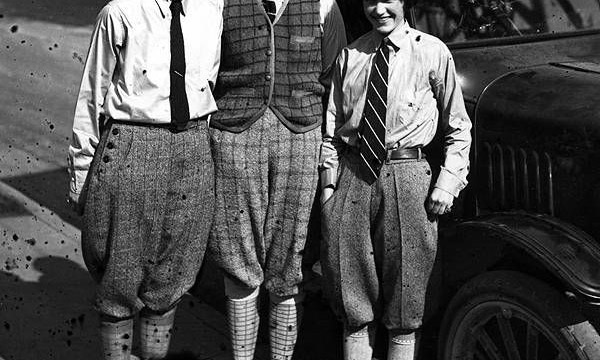
ouji(prince or boystyle), despite Lolita being a predominantly female-run subculture, it also allows crossdressing by female participants, while also allowing boys to dress in a more feminine way while still presenting as male. It’s inspired by British aristocrats and the Rococo style. Often imitating European private school uniforms. It’s the most fitted style, featuring tailored swallowtails, pants, and shorts (knickerbockers), often paired with half skirts to create a more dramatic silhouette similar to that of more common lolita clothing. It keeps the elegance of the classic or princess style, ouji, as a direct reflection of the scene, dressing up with their feminine counterpart. They are bigger on shoes, having chunkier, taller boots/heels. Their colors are often deeper with makeup to sharpen the face to give off a more masculine vibe.
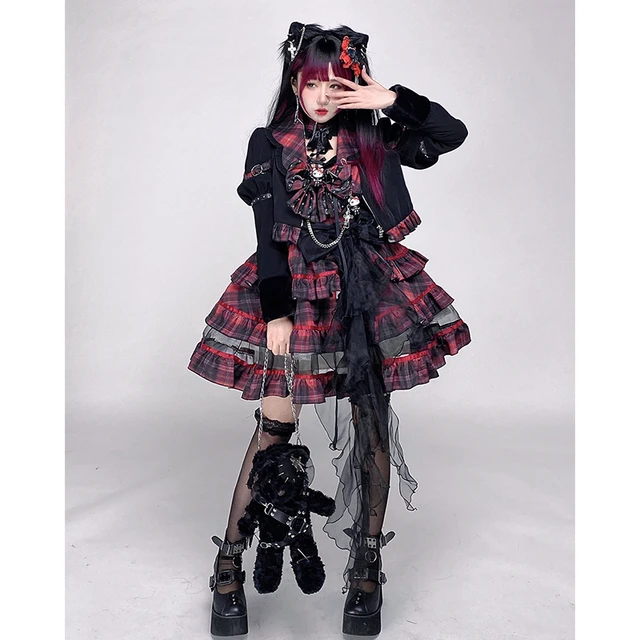


Punk, like American punk, is a rougher, DIY-oriented scene focused on punk music. However, this also has its own distinct vision away from American punk. Visual kei is a music scene inspired by glam rock, punk, and gothic music, and those idols greatly inspire this fashion. Punk has the shortest shirts, typically two inches above the knee, with cupcake-style or tutu bottoms. Their fashion incorporates classic punk accessories and prints, such as plaids and studs. with big zippers and even bigger hair. They have a lot of black with bright neon pops of color. They are almost always adorned in leather jackets and leather jewelry.


Gothic lolita brings back medium to long skirts that fall to the knee or below. They adorn themselves in black and more black; it’s a macabre style inspired by Gothic Romantic literature and Victorian English mourning fashion. They wear many petticoats to achieve a bell or cupcake shape. Like classic style, there’s a big focus on elegance and maturity. They focus on the dark things in life as a way of comfort. Skulls, bats, and coffins are among their major motifs, as are religious symbols and art. Straight and ringlet hair is popular, with dark pouty makeup. Roses are also popular hairpieces and accessories.
Conclusion
This has been an incomplete history and overview of Lolita fashion. I hope you enjoyed it and maybe learned something. Lolita is a historically rich subculture, and the craftsmanship of the clothing is genuinely impressive and cute, so put some respect on their names.